ASE-Certified vs. Non-Certified Auto Repair Shop in Chula Vista: What the Difference Means for Your Car
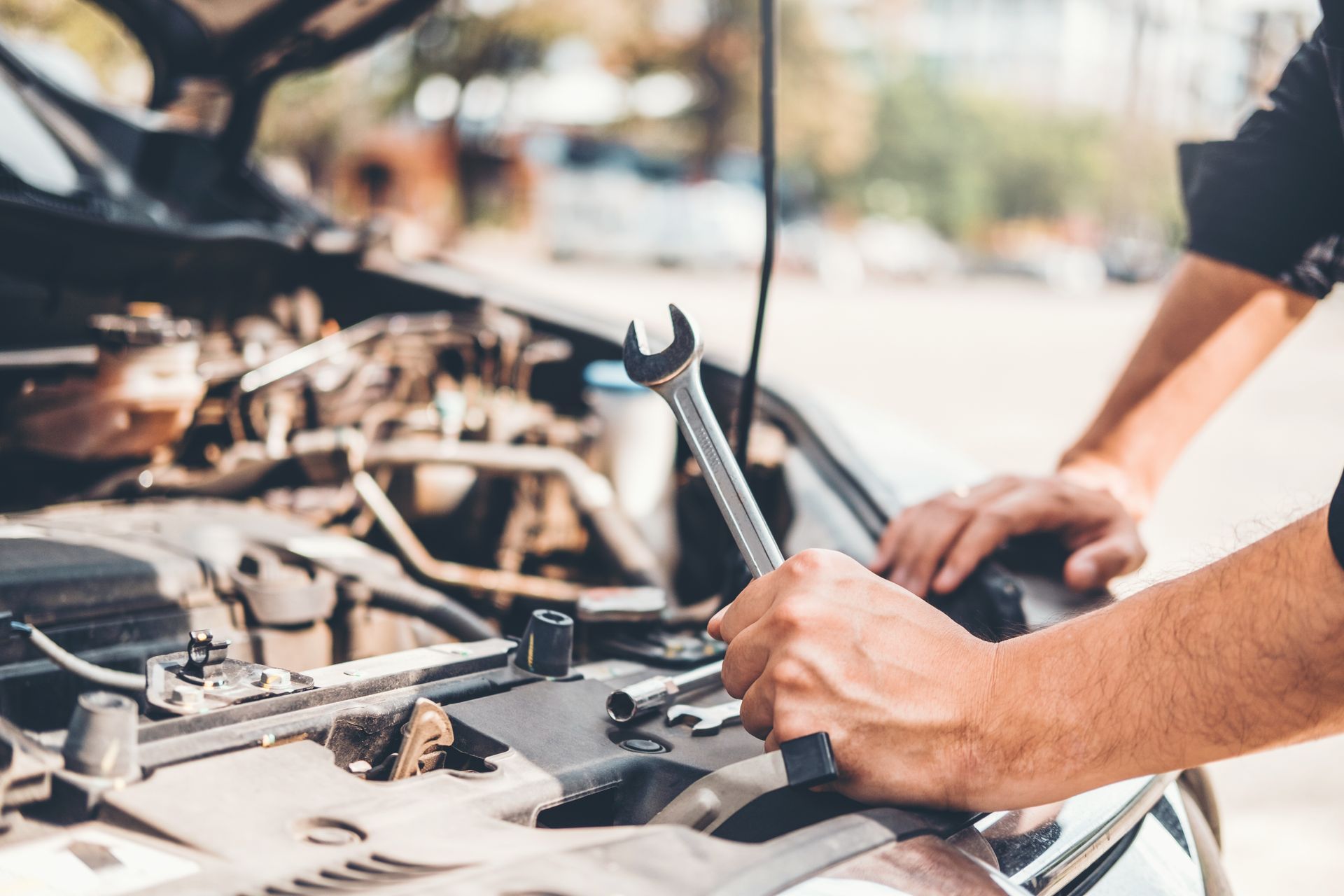
Choosing the right auto repair shop in Chula Vista, CA, can have a real impact on your car's safety, longevity, and your peace of mind, and understanding what ASE certification actually means is a smart place to start.
Whether you drive through Eastlake on your morning commute, haul the family around Otay Ranch, or take SR-125 daily, knowing what separates certified and non-certified shops helps you make a better decision before you ever hand over your keys.
What ASE Certification Actually Means
ASE-certified technicians have met a nationally recognized standard of skill and knowledge. ASE certification, also known as Automotive Service Excellence, is granted through the National Institute for Automotive Service Excellence, a non-profit organization that sets a minimum standard of excellence for automotive technicians. To earn the credential, a technician must do more than study. Technicians must have at least two years of on-the-job training, or one year of training plus a two-year degree in automotive repair, before they can even take the exam.
The exams themselves are not easy. Only two out of every three test-takers pass on their first attempt. Certification also does not last forever. These certifications must be renewed every five years to ensure technicians stay up-to-date with changing technology.
ASE also covers specific areas of repair. Within the ASE certification, technicians can specialize in areas such as brakes, engines, or suspension, which allows for targeted skill development. That means a shop with multiple ASE-certified techs may cover a wider range of services with verified expertise.
What Does This Mean for Your Car in Chula Vista?
Chula Vista drivers face specific conditions that make skilled diagnostics especially important. The coastal proximity to San Diego Bay can contribute to accelerated corrosion on undercarriage components. Residents in Eastlake and Otay Ranch often log higher daily mileage on SR-125 and Telegraph Canyon Road, adding wear to brakes, suspension, and tires faster than lower-mileage drivers might expect. An auto repair shop in Chula Vista, CA, that employs ASE-certified technicians is more likely to diagnose these wear patterns accurately the first time.
When a technician is certified, they bring documented training to the job. An ASE certification communicates that an individual is qualified to work on all mechanical and electrical components within a vehicle, and the program is designed to let customers gauge a technician's level of expertise before hiring them for services.
Non-certified shops are not automatically bad. Some experienced mechanics do excellent work. However, without certification, there is no independent third-party verification of their skills. That matters most for complex jobs like engine diagnostics, electrical faults, or AC system repairs, where misdiagnosis can cost significantly more in the long run.
Certification and Warranty Coverage
One practical benefit of certified repair work is how it can affect warranties. Shops with certified technicians are often better positioned to perform repairs that align with manufacturer guidelines, which can matter if your vehicle is under an extended warranty or a service contract.
California also has its own layer of consumer protection to be aware of. California requires auto repair shops to register with the Bureau of Automotive Repair (BAR); drivers can verify any shop's license at bar.ca.gov. Checking a shop's BAR registration alongside its ASE credentials gives you two independent ways to confirm legitimacy before authorizing work.
Questions to Ask Any Shop Before You Commit
Are Your Technicians ASE Certified?
Ask directly and ask which certifications they hold. A reputable shop will be transparent about this. If a shop cannot tell you which technicians are certified or in what areas, that is worth noting.
Do You Provide a Written Estimate Before Starting Work?
California law requires shops to provide a written estimate before performing repairs. If a shop is reluctant to put the quote in writing, consider that a red flag.
What Kind of Warranty Do You Offer on Parts and Labor?
Certified shops often back their work with a warranty on both parts and labor. Always ask about the warranty terms before work begins so you understand what is and is not covered.
Can You Show Me the Problem Before You Fix It?
A trustworthy auto repair shop welcomes this kind of transparency. Shops that discourage you from seeing the issue firsthand or pressure you into same-day decisions may not have your best interests in mind.
Red Flags to Watch for When Choosing a Shop
Not every shop is upfront about what they do or do not have. Here are some warning signs to keep in mind before you authorize any repair work.
- A shop that cannot name which technicians hold ASE credentials when asked directly.
- Verbal-only estimates with no written documentation, which is a violation of California law.
- High-pressure tactics to approve repairs immediately without time to review.
- No verifiable BAR registration, which every licensed California auto repair shop must maintain.
- Vague answers about parts quality, such as whether they use OEM, aftermarket, or remanufactured components.
Ready to Work With Certified Technicians in Chula Vista?
If you have been searching for a reliable auto repair shop with trained, certified technicians, Beyer Supreme Tires serves Chula Vista, CA, with honest assessments, warranty-backed repairs, and a team committed to transparency. From engine diagnostics and brake service to AC repair and routine maintenance, the shop covers a wide range of vehicle needs. Stop in, ask your questions, and see the difference certified service can make.
Visit the auto repair service page to learn more about available services, or contact the team to schedule your appointment. You can also call (619) 691-0488 to speak with someone directly.